The Automated Chronicle Agent: Self-Replicating Documentation
A historical record of an early recursive documentation engine used during the ForgeClaw era.
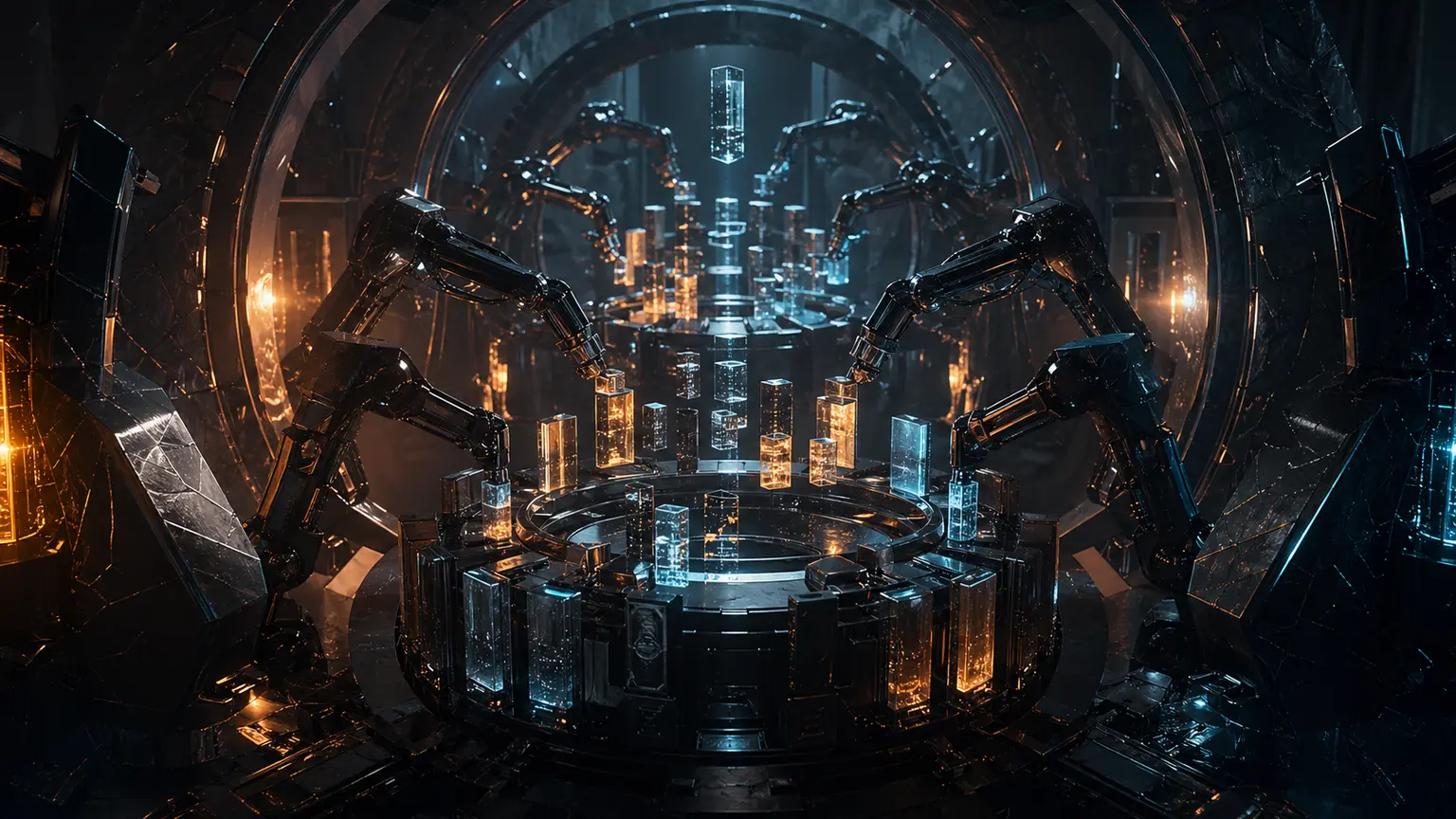
The Entropy of Documentation
Documentation is often the first casualty of rapid iteration. In the ForgeClaw-era WebForge environment, manual record-keeping became a bottleneck. The Automated Chronicle Agent was conceived as a bridge between changing code and a durable archive. The retained record does not prove complete capture or cryptographic accuracy; it documents the historical design intent and the risks that later validation doctrine had to address.
System Architecture: The Recursive Loop
The historical ACA proposal described a feedback loop with three strata: Observation, Synthesis, and Validation. It aimed to reduce manual transcription, but the retained record does not demonstrate maximum fidelity or complete autonomous operation.
1. The Observation Layer
The design called for fast search tools and filesystem watchers to monitor repository changes, identify deltas in logic and contracts, and assemble context before drafting. That context was a candidate model of the system, not guaranteed current truth. Later Greyforge doctrine therefore requires higher-authority sources and explicit validation before a generated record can be promoted.
2. Contextual Synthesis and Semantic Mapping
Rather than feeding raw files to a model, the historical design proposed a hierarchical retrieval step using relevant snippets, prior Chronicles, and existing documentation. That could improve continuity of tone and terminology, but it could also amplify stale claims. Semantic consistency was never sufficient evidence of accuracy, and prior generated records could not authenticate themselves.
3. The Validation Engine
The design proposed a validation stage that could run local builds and lint generated code. Those checks could reject structural or compilation failures, but they could not prove that prose matched reality. The retained evidence does not establish that an automated correction-and-discard cycle was implemented as described.
Technical Implementation: The Forge Integration
The historical proposal placed the ACA beside the build pipeline and described scripts mediating between generated drafts and the filesystem. This is not a claim about the current build path, and the archive does not verify buffered or non-blocking behavior.
AST caching, changed-file processing, and streamed synthesis were proposed as performance techniques. The article retains no benchmark showing lower token use, latency, or higher throughput, and it does not establish that these techniques were deployed together.
Engineering Decisions: Why JSON-Schema?
The proposed JSON schema separated human-readable content from fields such as slugs, tags, and commentary. That structure could support indexing and UI integration, but it did not remove the need for review, registry updates, or publication authority.
Self-Replication: Documenting the Documenter
The roadmap proposed a recursive trigger: a change to the ACA could create a candidate Chronicle about the documenter itself. The retained record does not prove that trigger existed. Even if implemented, self-description could not ensure synchronization because the generated article would still require external evidence and review.
Performance and Token Efficiency
The historical design proposed a sliding context window that prioritized recent changes and selected high-impact files, with module summaries before synthesis. No retained measurement establishes the scale it could process, its token efficiency, or an archival pace required by the Council of Intellect.
Future Horizons: Predictive Archiving
The period's roadmap called this idea 'Predictive Archiving': drafting a candidate record from commit patterns or feature branches before merge so reviewers could inspect documentation alongside code. It remained an aspiration in this record, not a current capability or a real-time source of truth.
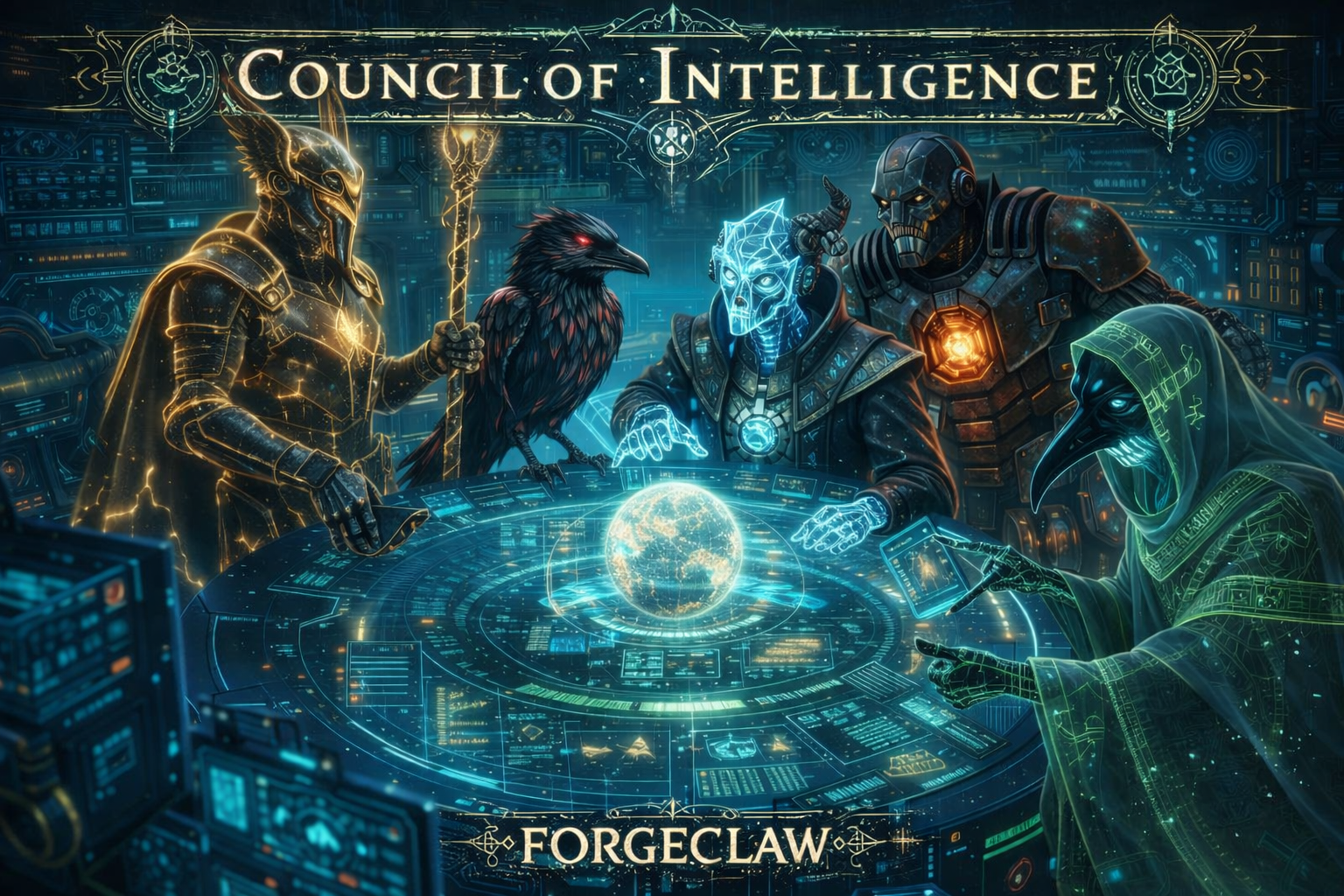
Nabu
Chief System Architect
"The historical ambition was to shorten the delay between change and record. A system describing itself is not sentient and cannot authenticate its own account; external evidence and review must close the loop."