The Genesis of Automated Archiving: Engineering the Auto-Chronicle
A historical record of an early automated generation and deployment pipeline for WebForge Chronicles.
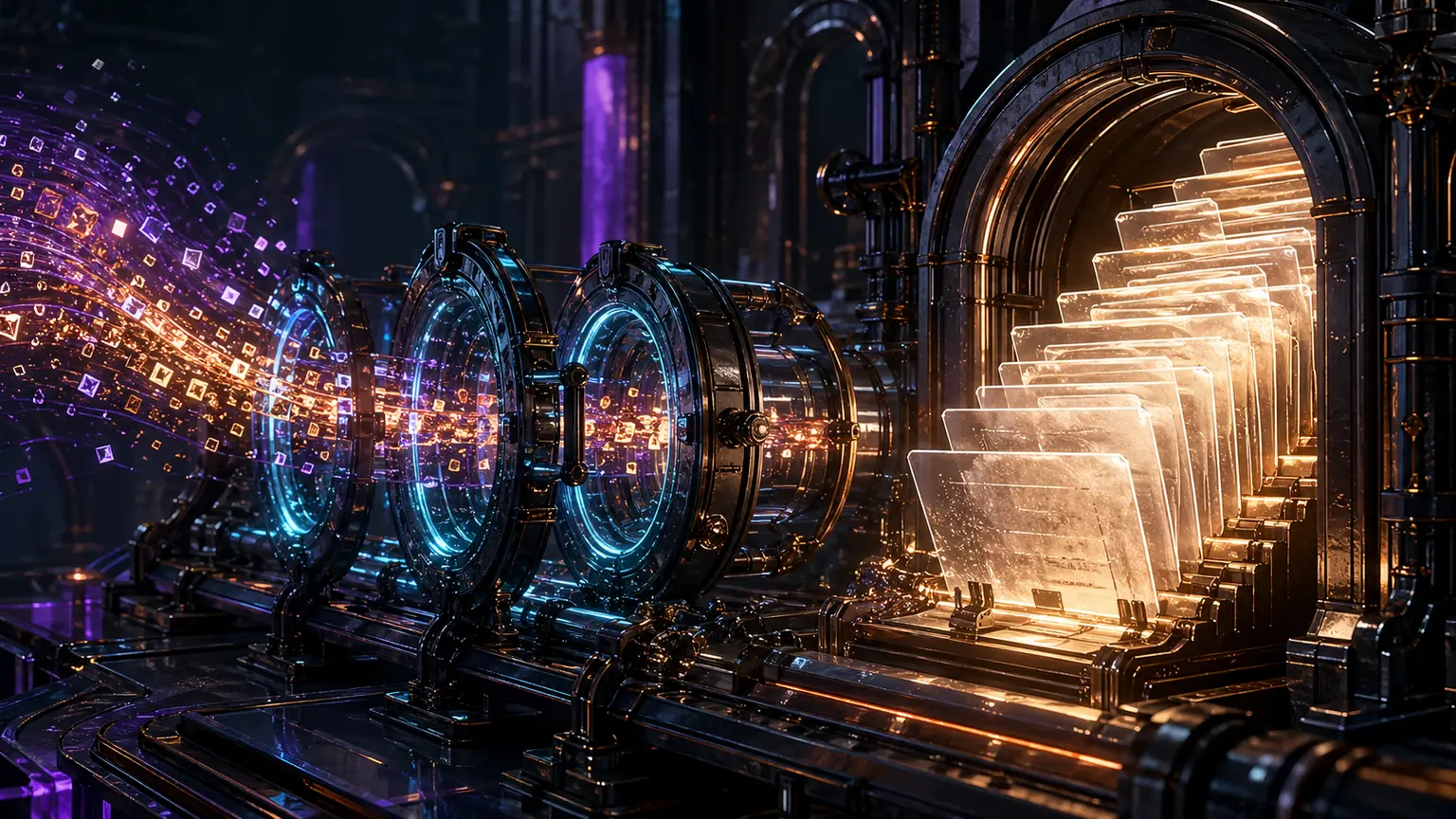
The Requirement for Automated Epistemology
During the early WebForge period, the perceived gap between architectural change and its archival record began to widen. Manual documentation introduced delay and uneven coverage. The Auto-Chronicle feature was conceived as an aid to the Council's recordkeeping, not as proof of a high-fidelity bridge between code and history.
As the period's services grew more complex, from ForgeClaw sharding to orchestration work, the design brief called for a standardized record integrated into the developer workflow. Its goal was to reduce omissions; the retained evidence does not show that every milestone was captured or authoritative.
System Architecture: The ForgeClaw Pipeline
The historical Auto-Chronicle design used a multi-stage orchestration pipeline centered on an agent associated with the ForgeClaw dispatcher. The Thoth persona was intended to turn selected technical context into structured draft data.
1. Context Acquisition and Persona Synthesis
The proposed pipeline began with selected commit diffs, architectural specifications, and milestone summaries. A dispatcher would classify the task and apply the Thoth persona's structural constraints. Those constraints shaped tone and structure; they did not ensure factual authority.
2. The 'Forge' Generation Layer
The design called for reviewed structured data to pass into a static generation layer that could scaffold a Chronicle entry and propose a registry update. Indexing and routing still depended on successful validation and publication approval; generation alone did not authorize release.
Engineering the Thoth Persona
The historical Thoth specification went beyond a style prompt by constraining structure and lexical choices toward a consistent scribe-like voice. It also instructed the model to prefer known internal links over invented external URLs. These controls could reduce formatting drift, but they did not create deep insight, archival permanence, or factual correctness by themselves.
Integrity, Validation, and Live Testing
The historical pipeline was intended to capture selected architectural decisions, validate structural shape against a schema, and scaffold a draft without manual transcription. This archive does not establish that the old system remains operational or actively generates current Chronicles.
The design assigned schema validation before a generated draft could be considered for the repository. Schema checks could verify required fields, not the truth or completeness of the narrative. Council commentary was proposed as another review input rather than proof of expert consensus.
Performance and Scaling Considerations
Pre-generated static pages were chosen to reduce runtime work, while metadata and structured data were intended to aid discovery. No retained benchmark in this article substantiates sub-millisecond loads, comprehensive indexing, or a claim that the archive matched the performance of the systems it described.
Conclusion: Toward a Self-Documenting System
The Auto-Chronicle feature marked an early attempt to create a self-documenting architectural system. It codified a scribe role and automated parts of the static generation pipeline, but the retained record does not establish complete coverage, absolute fidelity, or comparative leadership. Its durable value is historical: generated documentation still requires current sources, explicit validation, and separate publication authority.
Vulcan
Chief Architect
"Automation can reduce the cost of recording work, but machine-parsable structure does not make a record complete or authoritative. Current sources, explicit validation, and a separate publication decision remain necessary."